
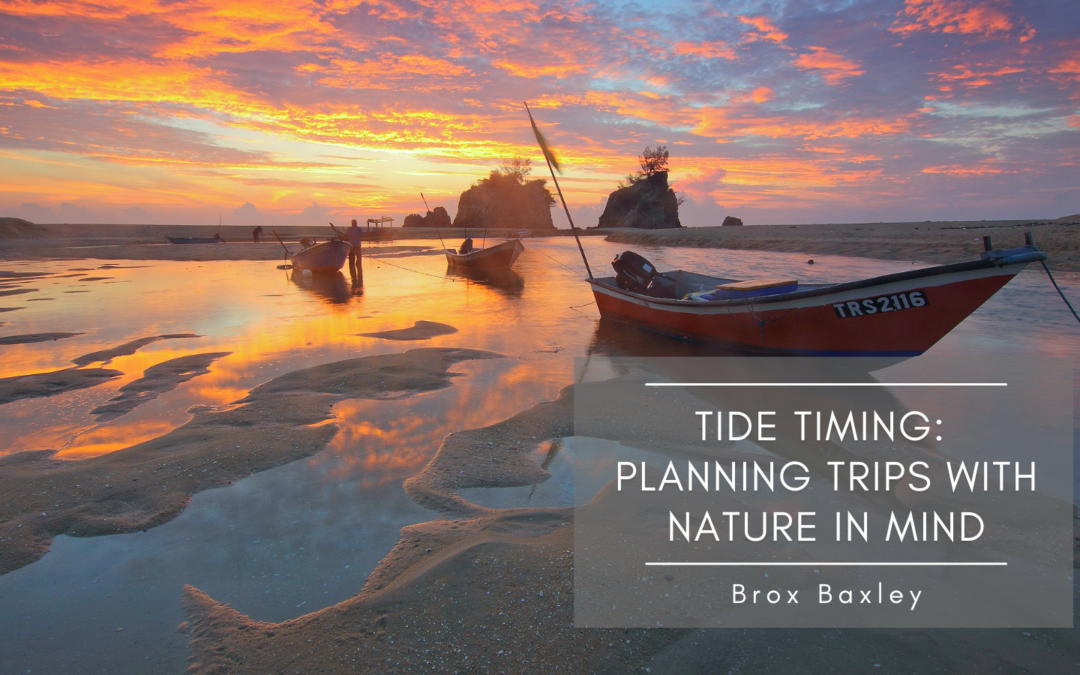
When it comes to boating, fishing, or coastal adventures, timing isn’t just everything—it’s tide everything. Understanding and respecting the rhythm of the tides can be the difference between a smooth day on the water and one filled with obstacles. Planning your trips with the tide in mind not only enhances safety but also maximizes efficiency, success, and enjoyment.
Why Tides Matter
Tides are the rise and fall of sea levels caused by the gravitational pull of the moon and the sun. These daily movements affect water depth, currents, and accessibility—especially in shallow or narrow waterways. Ignoring tidal shifts can lead to grounding your boat, getting stuck in the mud, or struggling with strong currents.
Safety First
Low tides can expose sandbars, rocks, and submerged hazards, turning a peaceful cruise into an expensive misadventure. Planning departures and returns around high tide can help ensure there’s enough water under your hull. It also reduces wear on your engine and prevents accidental damage to your propeller or keel.
Fishing Success
Fish move with the tides. Incoming tides often bring baitfish closer to shore, attracting larger predators. Outgoing tides can funnel fish into predictable areas like inlets and channels. Knowing when and where the water moves helps you position your boat strategically for a better catch. Anglers who follow the tide rarely go home empty-handed.
Fuel Efficiency and Comfort
Tides influence currents, and running with the current instead of against it can save fuel and reduce travel time. It also makes for a smoother, more comfortable ride. In tidal rivers or estuaries, planning with current flow in mind makes navigation easier and more enjoyable, especially for newer boaters.
Access and Anchoring
Tidal fluctuations can affect docking and anchoring. A spot that looks ideal at high tide may become problematic when the water recedes. Always account for the full tidal range when anchoring, and double-check your lines when docking to avoid snapping ropes or damaging your boat.
Tools to Help
Use tide charts, marine GPS apps, or electronic plotters to monitor tidal patterns for your location. Pair this info with weather and moon phase data for the most accurate trip planning.
Nature’s Schedule is the Best One
Respecting the tide is about working with nature, not against it. When you align your plans with the rhythm of the sea, every trip becomes safer, smarter, and more in sync with the natural world.