
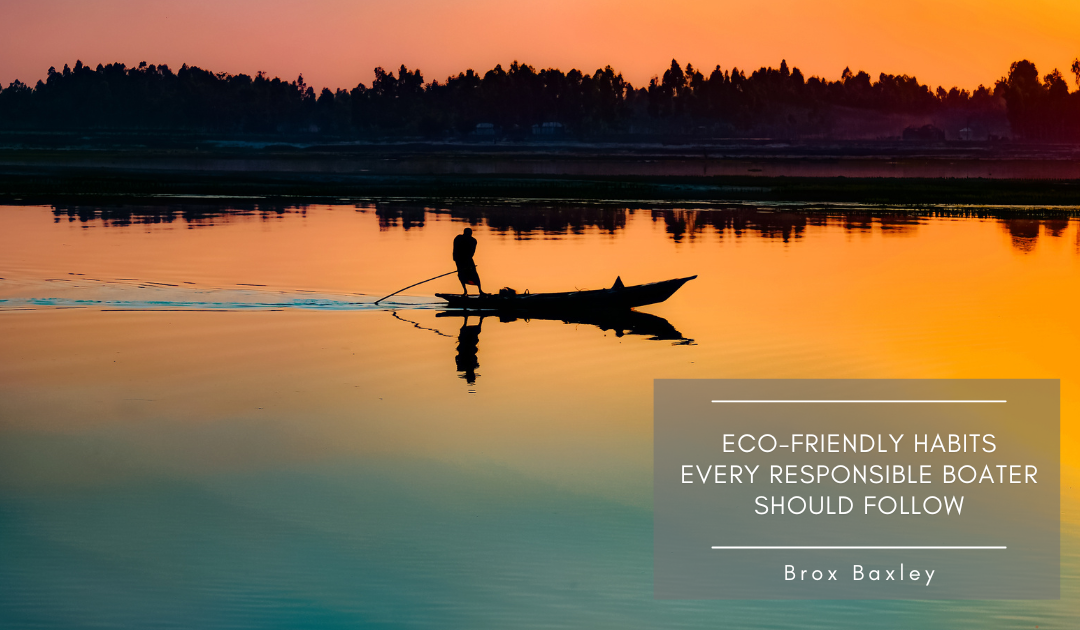
Boating offers a unique way to experience nature, from peaceful lakes and winding rivers to vast coastal waters. However, with that privilege comes the responsibility to protect the environments we enjoy. Every boater plays a role in preserving clean waterways, healthy ecosystems, and thriving wildlife habitats for future generations.
Adopting eco-friendly boating habits doesn’t require major changes. Small, thoughtful actions can significantly reduce your environmental impact while ensuring that waterways remain safe and beautiful for everyone.
Dispose of Waste Properly
One of the simplest yet most important habits is managing waste responsibly. Never throw trash, fishing line, food scraps, or plastic containers into the water. Even biodegradable items can disrupt local ecosystems and attract unwanted wildlife.
Keep a designated trash bag on board and dispose of waste at approved marina or dockside facilities. Recycling whenever possible also helps reduce pollution and keeps waterways cleaner.
Prevent Fuel and Oil Spills
Fuel and oil leaks can seriously harm aquatic life and contaminate water sources. Before leaving the dock, inspect your boat for any signs of leaks or damaged fuel lines. Refuel carefully to avoid spills, and avoid overfilling the fuel tank.
If a spill does occur, use absorbent pads designed for marine use rather than washing fuel into the water. Regular maintenance helps prevent small issues from becoming environmental hazards.
Respect Wildlife
Boating often brings you close to birds, fish, turtles, and other aquatic animals. Observe wildlife from a safe distance and avoid chasing, feeding, or disturbing animals in their natural habitats.
When navigating through wildlife areas, reduce your speed to minimize noise and wake. This not only protects animals but also helps prevent damage to fragile shorelines and underwater vegetation.
Reduce Wake Near Shorelines
Large wakes can erode riverbanks, damage docks, and disturb nesting birds or shallow-water habitats. Always follow posted no-wake zones and slow down when approaching marinas, narrow channels, or areas with heavy wildlife activity.
Operating responsibly helps preserve the natural beauty of waterways while ensuring a safer experience for other boaters, anglers, and paddlers.
Use Eco-Friendly Cleaning Products
Cleaning your boat is an important part of maintenance, but many household cleaners contain chemicals that can harm aquatic ecosystems. Choose biodegradable, phosphate-free marine cleaning products whenever possible.
Wash your boat in designated cleaning areas where wastewater can be properly managed instead of allowing chemicals to flow directly into lakes or rivers.
Practice Smart Anchoring
Improper anchoring can damage underwater habitats, including aquatic plants and sensitive ecosystems. Whenever available, use designated mooring buoys instead of dropping an anchor.
If anchoring is necessary, choose sandy or muddy bottoms rather than areas with dense vegetation or other sensitive habitats. Taking a few extra moments to anchor carefully can help protect underwater environments.
Maintain Your Boat Regularly
A well-maintained boat is generally more fuel-efficient and less likely to leak harmful fluids into the water. Regularly inspect the engine, propeller, fuel system, and cooling system to ensure everything operates efficiently.
Routine maintenance not only protects the environment but also improves your boat’s performance and reliability.
Be a Responsible Steward of the Water
Responsible boating extends beyond following regulations. Respect speed limits, avoid unnecessary engine idling, stay within marked channels, and encourage fellow boaters to practice environmentally friendly habits. Sharing knowledge and setting a positive example helps build a stronger boating community committed to conservation.
Conclusion
Every boating trip is an opportunity to enjoy the outdoors while protecting the waters that make those experiences possible. By disposing of waste properly, preventing pollution, respecting wildlife, reducing wake, using eco-friendly products, and maintaining your boat, you contribute to healthier waterways and a more sustainable future.
Being an eco-friendly boater isn’t about making drastic changes—it’s about making thoughtful choices every time you head out on the water. These simple habits help ensure that lakes, rivers, and coastal waters remain clean, vibrant, and enjoyable for generations of boaters to come.