-
A day on the water is supposed to be relaxing, enjoyable, and free from unnecessary problems. But even the best-planned boating trip can quickly change when a small maintenance issue turns into a major inconvenience. Many boat problems do not happen suddenly. They often begin with simple maintenance tasks being ignored, delayed, or overlooked.
Understanding common boat maintenance mistakes can help you avoid unexpected breakdowns and keep your time on the water more enjoyable.
Ignoring the Engine Before Heading Out
One of the most common mistakes is assuming the engine will work perfectly every time. Before leaving the dock, take a few minutes to check the engine and surrounding components.
Look for obvious leaks, unusual smells, loose connections, damaged hoses, or signs of corrosion. Check the relevant fluid levels according to your boat and engine manufacturer’s instructions. If the engine has been sitting unused for an extended period, give it extra attention rather than assuming everything is ready to go.
A few minutes of inspection can help identify problems before you are far from shore.
Forgetting About the Battery
A weak or neglected battery can turn a planned outing into an unexpected return to the dock. Batteries can lose charge while a boat is sitting unused, and connections may develop corrosion over time.
Check that the battery is appropriately charged and that terminals and connections are clean and secure. If your boat has multiple batteries, understand how they are configured and make sure the system is functioning as intended.
Regular battery checks are particularly important before longer trips.
Neglecting the Hull
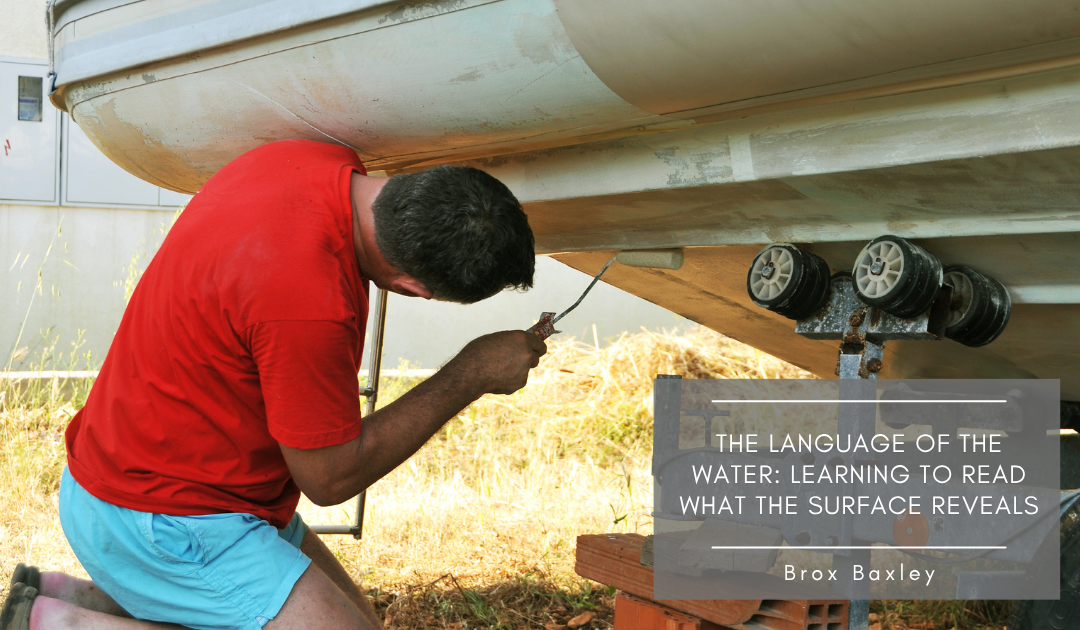
The hull is constantly exposed to water, weather, and environmental conditions, yet it is sometimes overlooked during routine maintenance.
Inspect the hull for cracks, damage, excessive marine growth, or other unusual changes. Keeping the hull clean can also help maintain the boat’s performance and appearance. For boats kept in the water, follow appropriate cleaning and antifouling practices for the location and vessel.
A small problem noticed while the boat is at the dock is much easier to address than one discovered during a trip.
Overlooking Safety Equipment
Maintenance is not limited to the boat’s mechanical components. Safety equipment should also be checked regularly.
Inspect life jackets for damage and make sure they are suitable for the people using them. Check that required signaling devices, fire extinguishers, lights, first-aid supplies, and communication equipment are present and in usable condition.
Equipment that has been sitting untouched for months may not be ready when you actually need it. Check expiration dates and service requirements where applicable.
Skipping Regular Cleaning
Salt, dirt, moisture, and other environmental factors can gradually affect different parts of a boat. Allowing grime and residue to accumulate can contribute to corrosion, staining, unpleasant odors, and premature wear.
Cleaning the boat after use, particularly after exposure to saltwater, can be an important part of routine care. Pay attention to areas that are easy to overlook, including fittings, storage spaces, decks, and hardware.
Treating Maintenance as a Last-Minute Task
Perhaps the biggest mistake is waiting until the day of the trip to think about maintenance. Last-minute preparation can cause you to overlook important details or discover problems when there is little time to fix them.
Instead, create a simple maintenance routine. Perform regular inspections, follow the manufacturer’s recommended service schedule, and keep notes about repairs and replacements.
Enjoy More Time on the Water
Good boat maintenance is ultimately about preparation. Checking the engine, battery, hull, safety equipment, and general condition of your vessel can reduce the chances of avoidable problems interrupting your plans.
No boat is completely immune to mechanical issues, but consistent maintenance gives you a better chance of identifying small problems before they become major ones. When your boat is properly cared for, you can spend less time dealing with preventable surprises and more time enjoying the experience that brought you onto the water in the first place.
Boat Maintenance Mistakes That Can Ruin a Perfect Day